


BLOG | Oak Alternatives
What are Oak Segments?
Learn all about oak segments! Discover what they are, how they work, and how they can assist with your winemaking!
by Brandon Haas
Published on 01/13/2026
ON THIS PAGE
Age your wine with oak chips.
- Shop Now
As winemaking continues to evolve, so do the tools used to shape flavor, aroma, and structure. While traditional oak barrels remain a cornerstone of aging, many winemakers are turning to oak alternatives for greater flexibility and control. One such alternative gaining popularity is American and French oak segments.
Oak segments bridge the gap between barrels and smaller oak formats like chips or cubes. They provide a slower, more controlled oak influence while offering efficiency, consistency, and adaptability across a wide range of winemaking styles.
In this blog, we’ll break down what oak segments are, how they work, and why they’ve become a valuable tool in modern winemaking.
Oak Segments Defined
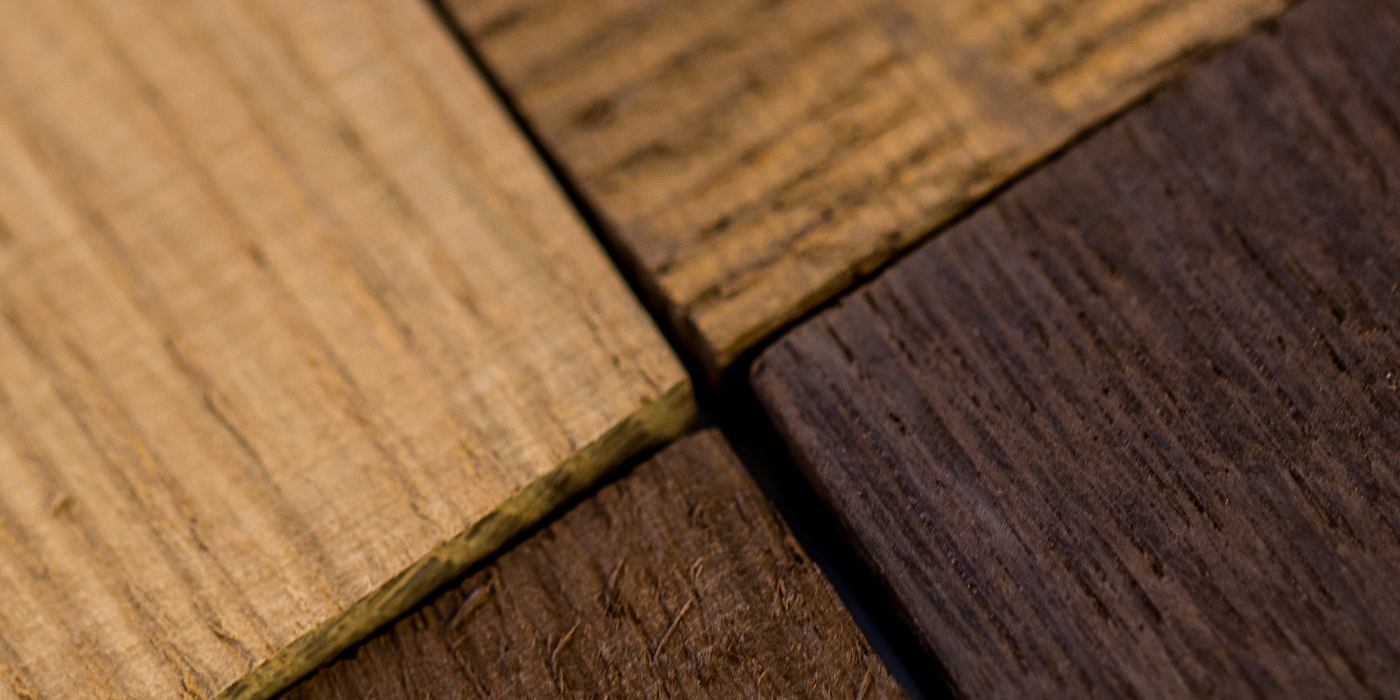
Oak segments are larger pieces of oak, typically cut from staves or thick oak planks, designed to be used inside tanks, barrels, or fermentation vessels. Unlike chips or powder, segments have a lower surface-area-to-volume ratio, which allows for gradual extraction of oak compounds.
Because they are made from the same high-quality French or American oak used in cooperage, oak segments deliver authentic barrel-like characteristics—without requiring a full barrel. They are available in multiple toast levels, allowing winemakers to tailor flavor, aroma, and structure precisely to their wine.
How Oak Segments Work
Oak segments release oak compounds slowly, mimicking the integration process of traditional barrels. As wine remains in contact with the segment, it extracts tannins, aromatic compounds, and flavor elements while undergoing subtle oxygen exposure in tank environments.
This slower extraction helps:
- Build structure without overwhelming fruit
- Enhance mouthfeel and balance
- Support long-term aging programs
- Maintain consistency across batches
Because segments are typically used for extended contact periods, they are ideal for wines that benefit from layered complexity rather than rapid oak impact.
Comparing Segments To Other Oak Alternatives
Oak Chips
Compared to oak chips, segments extract more slowly and deliver softer, more integrated oak influence. Chips are excellent for quick adjustments, while segments are better suited for intentional aging.
Oak Cubes
Compared to oak cubes, segments provide an even slower and more controlled release of oak compounds due to their larger size and thickness.
Oak Barrel Inserts or Staves
Compared to barrel inserts or staves, segments offer similar benefits but with more flexibility in placement and dosage, making them adaptable to different tank sizes and aging goals.
Benefits of Using Oak Segments
Oak segments offer several advantages that make them especially attractive in modern winemaking. They allow for controlled oak integration, reducing the risk of over-oaking while building complexity gradually. Their larger size promotes smoother tannin development and helps stabilize color, particularly in red wines.
Additionally, segments are cost-effective and space-efficient, eliminating the need for barrel storage and maintenance. They also support batch consistency, making it easier to replicate results across vintages or production lots.
Finally, from a sustainability standpoint, oak segments maximize the use of oak resources, reducing unnecessary waste.
When To Use Oak Segments
Oak segments are best used when the goal is structure, balance, and aging potential rather than immediate flavor impact. They are commonly introduced during the aging phase, especially for wines intended to mature over several months.
Winemakers often choose oak segments when:
- Aging wine in stainless steel or neutral barrels
- Seeking subtle oak influence without overpowering fruit
- Building complexity in premium red wines
- Refining mouthfeel and tannin integration
Because of their slower extraction, regular tasting is still important—but the margin for error is much wider than with smaller oak formats.
Wrapping Up
Oak segments offer winemakers a powerful middle ground between traditional barrels and faster-extracting oak alternatives. Their ability to deliver slow, controlled oak influence makes them ideal for aging programs that prioritize balance, structure, and long-term complexity.
For winemakers seeking barrel-like results with greater flexibility, consistency, and efficiency, oak segments are a smart and effective solution. When used thoughtfully, they help elevate wine quality while supporting modern production needs.

by Brandon Haas
Published on 01/13/2026
Share Article
POPULAR POSTS
PRODUCT GUIDES
What Are Oak Cubes?
NEWS/UPDATES
The Oak Scoop: February 2026 Edition
NEW TO WINEMAKING
6 Questions Every New Winemaker Has
EDUCATION
3 Ways Oak Chips Can Help Your Homebrew
by Brandon Haas
Published on 01/13/2026
Unsubscribe anytime. By entering your email, you agree to receive marketing emails from Oak Chips Inc. By proceeding, you agree to the Terms and Conditions and Privacy Policy.
POPULAR POSTS
PRODUCT GUIDES
What Are Oak Cubes?
NEWS/UPDATES
The Oak Scoop: February 2026 Edition
NEW TO WINEMAKING
6 Questions Every New Winemaker Has
EDUCATION
3 Ways Oak Chips Can Help Your Homebrew
ON THIS PAGE
Age your wine with oak chips.
- Shop Now
As winemaking continues to evolve, so do the tools used to shape flavor, aroma, and structure. While traditional oak barrels remain a cornerstone of aging, many winemakers are turning to oak alternatives for greater flexibility and control. One such alternative gaining popularity is American and French oak segments.
Oak segments bridge the gap between barrels and smaller oak formats like chips or cubes. They provide a slower, more controlled oak influence while offering efficiency, consistency, and adaptability across a wide range of winemaking styles.
In this blog, we’ll break down what oak segments are, how they work, and why they’ve become a valuable tool in modern winemaking.
Oak Segments Defined
Oak segments are larger pieces of oak, typically cut from staves or thick oak planks, designed to be used inside tanks, barrels, or fermentation vessels. Unlike chips or powder, segments have a lower surface-area-to-volume ratio, which allows for gradual extraction of oak compounds.
Because they are made from the same high-quality French or American oak used in cooperage, oak segments deliver authentic barrel-like characteristics—without requiring a full barrel. They are available in multiple toast levels, allowing winemakers to tailor flavor, aroma, and structure precisely to their wine.
How Oak Segments Work
Oak segments release oak compounds slowly, mimicking the integration process of traditional barrels. As wine remains in contact with the segment, it extracts tannins, aromatic compounds, and flavor elements while undergoing subtle oxygen exposure in tank environments.
This slower extraction helps:
- Build structure without overwhelming fruit
- Enhance mouthfeel and balance
- Support long-term aging programs
- Maintain consistency across batches
Because segments are typically used for extended contact periods, they are ideal for wines that benefit from layered complexity rather than rapid oak impact.
Comparing Segments To Other Oak Alternatives
Oak Chips
Compared to oak chips, segments extract more slowly and deliver softer, more integrated oak influence. Chips are excellent for quick adjustments, while segments are better suited for intentional aging.
Oak Cubes
Compared to oak cubes, segments provide an even slower and more controlled release of oak compounds due to their larger size and thickness.
Oak Barrel Inserts or Staves
Compared to barrel inserts or staves, segments offer similar benefits but with more flexibility in placement and dosage, making them adaptable to different tank sizes and aging goals.
Benefits of Using Oak Segments
Oak segments offer several advantages that make them especially attractive in modern winemaking. They allow for controlled oak integration, reducing the risk of over-oaking while building complexity gradually. Their larger size promotes smoother tannin development and helps stabilize color, particularly in red wines.
Additionally, segments are cost-effective and space-efficient, eliminating the need for barrel storage and maintenance. They also support batch consistency, making it easier to replicate results across vintages or production lots.
Finally, from a sustainability standpoint, oak segments maximize the use of oak resources, reducing unnecessary waste.
When To Use Oak Segments
Oak segments are best used when the goal is structure, balance, and aging potential rather than immediate flavor impact. They are commonly introduced during the aging phase, especially for wines intended to mature over several months.
Winemakers often choose oak segments when:
- Aging wine in stainless steel or neutral barrels
- Seeking subtle oak influence without overpowering fruit
- Building complexity in premium red wines
- Refining mouthfeel and tannin integration
Because of their slower extraction, regular tasting is still important—but the margin for error is much wider than with smaller oak formats.
Wrapping Up
Oak segments offer winemakers a powerful middle ground between traditional barrels and faster-extracting oak alternatives. Their ability to deliver slow, controlled oak influence makes them ideal for aging programs that prioritize balance, structure, and long-term complexity.
For winemakers seeking barrel-like results with greater flexibility, consistency, and efficiency, oak segments are a smart and effective solution. When used thoughtfully, they help elevate wine quality while supporting modern production needs.
by Brandon Haas
Published on 01/13/2026
Share Article
POPULAR POSTS
PRODUCT GUIDES
What Are Oak Cubes?
NEWS/UPDATES
The Oak Scoop: February 2026 Edition
NEW TO WINEMAKING
6 Questions Every New Winemaker Has
EDUCATION
3 Ways Oak Chips Can Help Your Homebrew