


BLOG | Using Oak in Winemaking
The Role of Oak Alternatives in Red vs White Wine
In this blog, our experts explore how oak alternatives affect different wine types.
by Brandon Haas
Published on 11/21/2025
ON THIS PAGE
Age your wine with oak chips.
- Shop Now
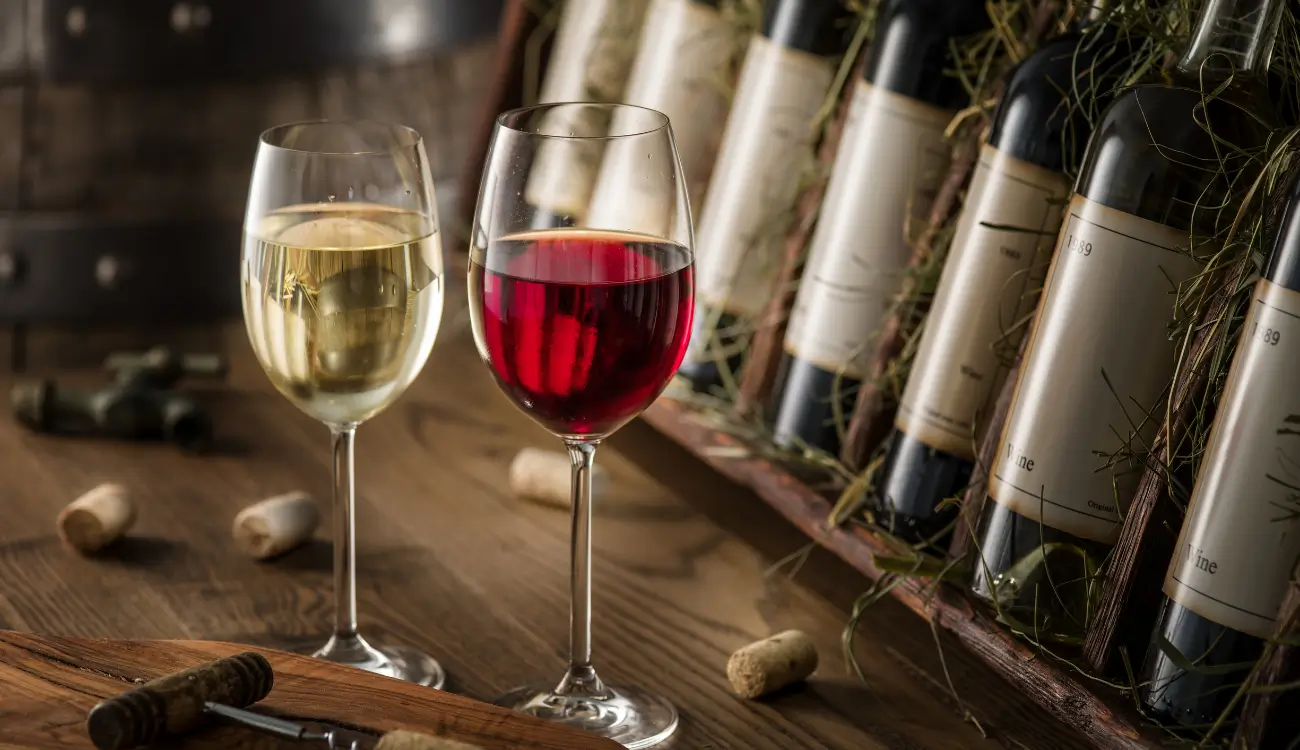
Red and white wines may share the same basic ingredients — grapes, yeast, and time — but their relationship with oak couldn’t be more different. In red wines, oak brings out boldness, depth, and structure; in white wines, it enhances texture, balance, and aromatic nuance. The type of oak, toast level, and exposure time can all change how these wines express themselves in the glass.
Today, many winemakers are turning to oak alternatives like chips, cubes, and staves to achieve those same effects with greater precision and flexibility. But how these alternatives influence red and white wines varies dramatically. In this post, we’ll explore how oak alternatives play different roles in red versus white winemaking — and how to use them effectively to elevate your next vintage.
Oak in Red Wine
For red wines, oak is as much about structure as it is about flavor. The natural tannins found in red grapes interact with oak’s own tannins, helping refine texture and create a smoother, more balanced mouthfeel. This process enhances a wine’s ability to age gracefully while developing secondary characteristics such as spice, smoke, or vanilla.
Medium to heavy toast oak alternatives—like staves and cubes—are particularly effective for red wines. They integrate slowly, releasing deeper flavors while stabilizing color and improving mouthfeel. French oak is often chosen for reds that aim for elegance and layered complexity, while American oak is used to amplify richness and sweetness, introducing notes of vanilla, caramel, and toasted coconut.
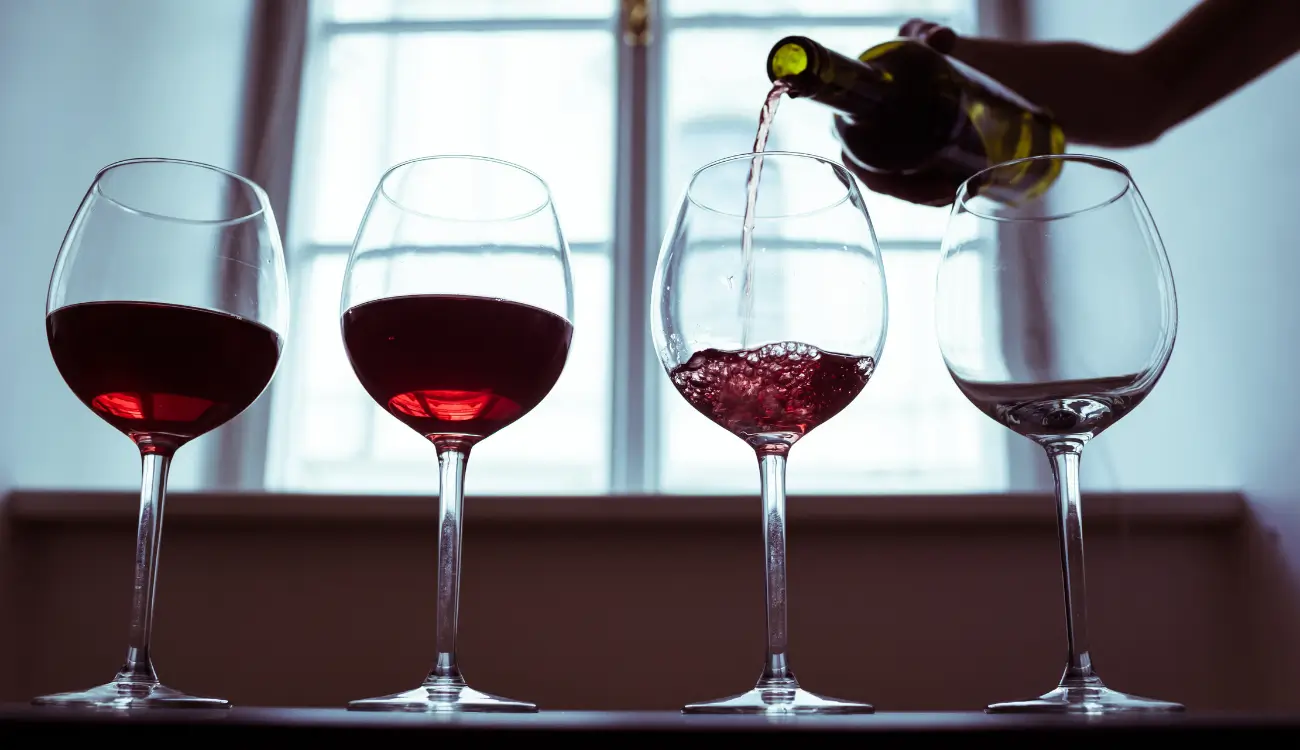
Oak alternatives also allow red winemakers to control the degree of oak integration. For example, a winemaker producing Cabernet Sauvignon might use heavy-toast American oak cubes to build body and flavor intensity, while a Pinot Noir maker could opt for lightly toasted French oak chips to add subtle structure without overshadowing the fruit. The key lies in matching the oak to the varietal’s natural strengths.
Oak in White Wine
White wines interact with oak in a completely different way. Because they typically contain less tannin and color compounds, the role of oak is more about texture and aroma than structure. When used carefully, oak can soften acidity, enhance body, and introduce creamy, nutty, or toasty undertones—all while preserving freshness.
Light to medium toast French oak alternatives, such as chips or inserts, are ideal for achieving this balance. They offer gentle flavor extraction that complements, rather than dominates, delicate varietals like Chardonnay, Viognier, or Semillon. The result is a wine that feels fuller on the palate, with enhanced roundness and aromatic depth.

For white winemakers, timing is everything. Introducing oak too early in fermentation can help integrate flavors but may also reduce fruit intensity. Adding oak during maturation or blending allows for more control, ensuring the wine develops texture without losing brightness or aromatic lift. Many winemakers use short oak contact times—sometimes just a few weeks—to achieve that perfect harmony of fruit and oak.
Different Goals, Different Approaches
While both red and white wines benefit from oak influence, their goals differ:
- Red wines seek structure, depth, and age-worthiness. Oak alternatives add tannin support and help stabilize color, resulting in bold, expressive wines.
- White wines aim for texture, roundness, and subtle aroma development. Oak enhances creaminess and adds elegant, toasty undertones.
Because oak alternatives offer a range of formats and toast levels, winemakers can easily customize how much influence oak has. For reds, a longer extraction period or higher toast level may be desirable; for whites, a shorter contact time with light toast oak often yields the best results.
Explore our oak alternatives today!
Get started on your next batch of wine and age with the best using our premium American or French oak alternatives.
Final Thoughts
The influence of oak—whether from a traditional barrel or an oak alternative—remains one of the most powerful tools in winemaking. In red wines, oak builds strength, complexity, and aging potential. In white wines, it enhances texture, balance, and aromatic depth.
By using oak alternatives, winemakers can achieve these results with greater precision and control, customizing each batch to highlight their wine’s best attributes. Whether you prefer the bold structure of a barrel-aged Merlot or the smooth, creamy texture of an oaked Chardonnay, oak alternatives allow you to craft wines that tell your story—one sip at a time.
Your wine is waiting on you!
Age your wine today with our premium oak alternatives.
Oak Chips FAQ
What do oak chips do in wine?
They help influence structure, aroma, and mouthfeel by introducing oak compounds during fermentation or aging.
How long should oak chips stay in wine?
Contact time varies depending on dosage and desired intensity. Regular tasting helps determine when to remove them.
Are oak chips better than barrels?
They serve different purposes. Chips provide flexibility and control, while barrels provide gradual aging. We recommend reading Oak Barrels vs. Oak Alternatives: Which is Better? for more information.
Can oak chips be reused?
Most chips are designed for single use, as their extractable compounds diminish after initial contact.

by Brandon Haas
Published on 11/21/2025
Share Article
POPULAR POSTS
OAK ALTERNATIVES
How Long Should You Age Wine With Oak Chips?
NEWS/UPDATES
The Oak Scoop: November 2025
USING OAK IN WINEMAKING
What is Harvest and Why is it Important to Winemakers?
OAK SCIENCE
5 Ways To Make Your Alcohol Taste Better
by Brandon Haas
Published on 11/21/2025
Unsubscribe anytime. By entering your email, you agree to receive marketing emails from Oak Chips Inc. By proceeding, you agree to the Terms and Conditions and Privacy Policy.
POPULAR POSTS
OAK ALTERNATIVES
How Long Should You Age Wine With Oak Chips?
NEWS/UPDATES
The Oak Scoop: November 2025
USING OAK IN WINEMAKING
What is Harvest and Why is it Important to Winemakers?
OAK SCIENCE
5 Ways To Make Your Alcohol Taste Better
ON THIS PAGE
Age your wine with oak chips.
- Shop Now
Red and white wines may share the same basic ingredients — grapes, yeast, and time — but their relationship with oak couldn’t be more different. In red wines, oak brings out boldness, depth, and structure; in white wines, it enhances texture, balance, and aromatic nuance. The type of oak, toast level, and exposure time can all change how these wines express themselves in the glass.
Today, many winemakers are turning to oak alternatives like chips, cubes, and staves to achieve those same effects with greater precision and flexibility. But how these alternatives influence red and white wines varies dramatically. In this post, we’ll explore how oak alternatives play different roles in red versus white winemaking — and how to use them effectively to elevate your next vintage.
Oak in Red Wine
For red wines, oak is as much about structure as it is about flavor. The natural tannins found in red grapes interact with oak’s own tannins, helping refine texture and create a smoother, more balanced mouthfeel. This process enhances a wine’s ability to age gracefully while developing secondary characteristics such as spice, smoke, or vanilla.
Medium to heavy toast oak alternatives—like staves and cubes—are particularly effective for red wines. They integrate slowly, releasing deeper flavors while stabilizing color and improving mouthfeel. French oak is often chosen for reds that aim for elegance and layered complexity, while American oak is used to amplify richness and sweetness, introducing notes of vanilla, caramel, and toasted coconut.
Oak alternatives also allow red winemakers to control the degree of oak integration. For example, a winemaker producing Cabernet Sauvignon might use heavy-toast American oak cubes to build body and flavor intensity, while a Pinot Noir maker could opt for lightly toasted French oak chips to add subtle structure without overshadowing the fruit. The key lies in matching the oak to the varietal’s natural strengths.
Oak in White Wine
White wines interact with oak in a completely different way. Because they typically contain less tannin and color compounds, the role of oak is more about texture and aroma than structure. When used carefully, oak can soften acidity, enhance body, and introduce creamy, nutty, or toasty undertones—all while preserving freshness.
Light to medium toast French oak alternatives, such as chips or inserts, are ideal for achieving this balance. They offer gentle flavor extraction that complements, rather than dominates, delicate varietals like Chardonnay, Viognier, or Semillon. The result is a wine that feels fuller on the palate, with enhanced roundness and aromatic depth.
For white winemakers, timing is everything. Introducing oak too early in fermentation can help integrate flavors but may also reduce fruit intensity. Adding oak during maturation or blending allows for more control, ensuring the wine develops texture without losing brightness or aromatic lift. Many winemakers use short oak contact times—sometimes just a few weeks—to achieve that perfect harmony of fruit and oak.
Different Goals, Different Approaches
While both red and white wines benefit from oak influence, their goals differ:
- Red wines seek structure, depth, and age-worthiness. Oak alternatives add tannin support and help stabilize color, resulting in bold, expressive wines.
- White wines aim for texture, roundness, and subtle aroma development. Oak enhances creaminess and adds elegant, toasty undertones.
Because oak alternatives offer a range of formats and toast levels, winemakers can easily customize how much influence oak has. For reds, a longer extraction period or higher toast level may be desirable; for whites, a shorter contact time with light toast oak often yields the best results.
Explore our oak alternatives today!
Get started on your next batch of wine and age with the best using our premium American or French oak alternatives.
Final Thoughts
The influence of oak—whether from a traditional barrel or an oak alternative—remains one of the most powerful tools in winemaking. In red wines, oak builds strength, complexity, and aging potential. In white wines, it enhances texture, balance, and aromatic depth.
By using oak alternatives, winemakers can achieve these results with greater precision and control, customizing each batch to highlight their wine’s best attributes. Whether you prefer the bold structure of a barrel-aged Merlot or the smooth, creamy texture of an oaked Chardonnay, oak alternatives allow you to craft wines that tell your story—one sip at a time.
Your wine is waiting on you!
Age your wine today with our premium oak alternatives.
Oak Chips FAQ
What do oak chips do in wine?
They help influence structure, aroma, and mouthfeel by introducing oak compounds during fermentation or aging.
How long should oak chips stay in wine?
Contact time varies depending on dosage and desired intensity. Regular tasting helps determine when to remove them.
Are oak chips better than barrels?
They serve different purposes. Chips provide flexibility and control, while barrels provide gradual aging. We recommend reading Oak Barrels vs. Oak Alternatives: Which is Better? for more information.
Can oak chips be reused?
Most chips are designed for single use, as their extractable compounds diminish after initial contact.
by Brandon Haas
Published on 11/21/2025
Share Article